
Built-in waterproofs
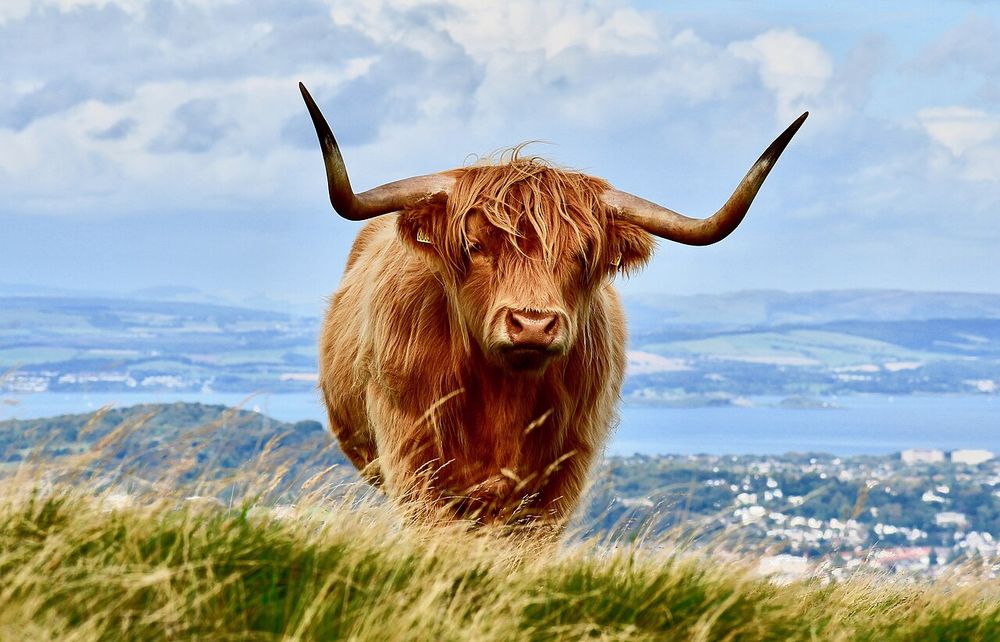
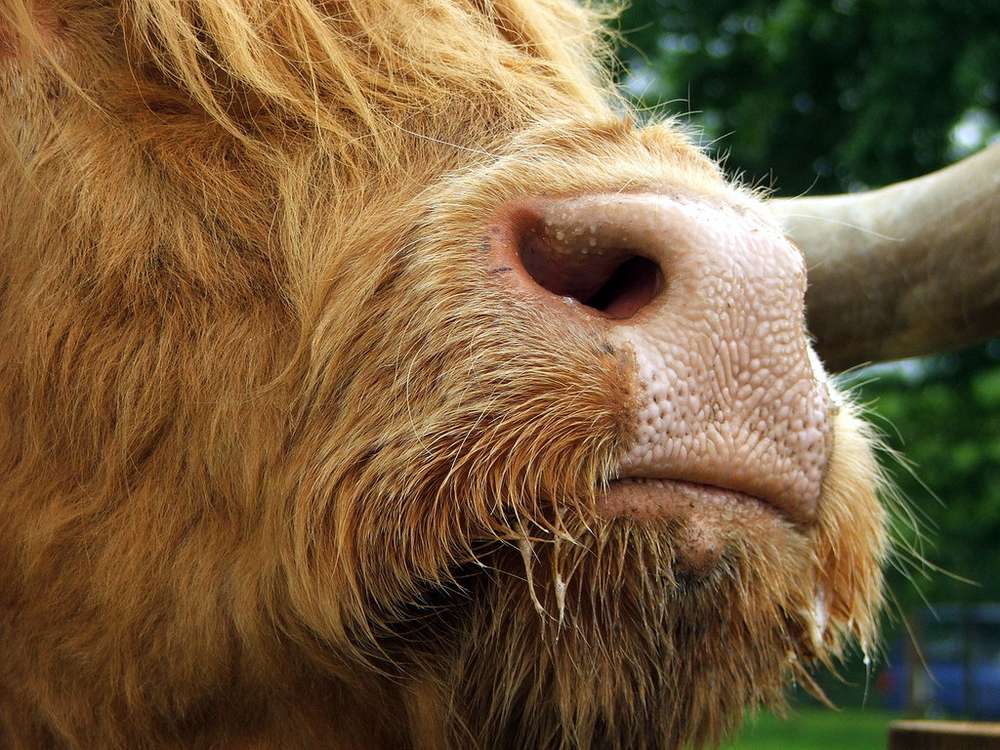
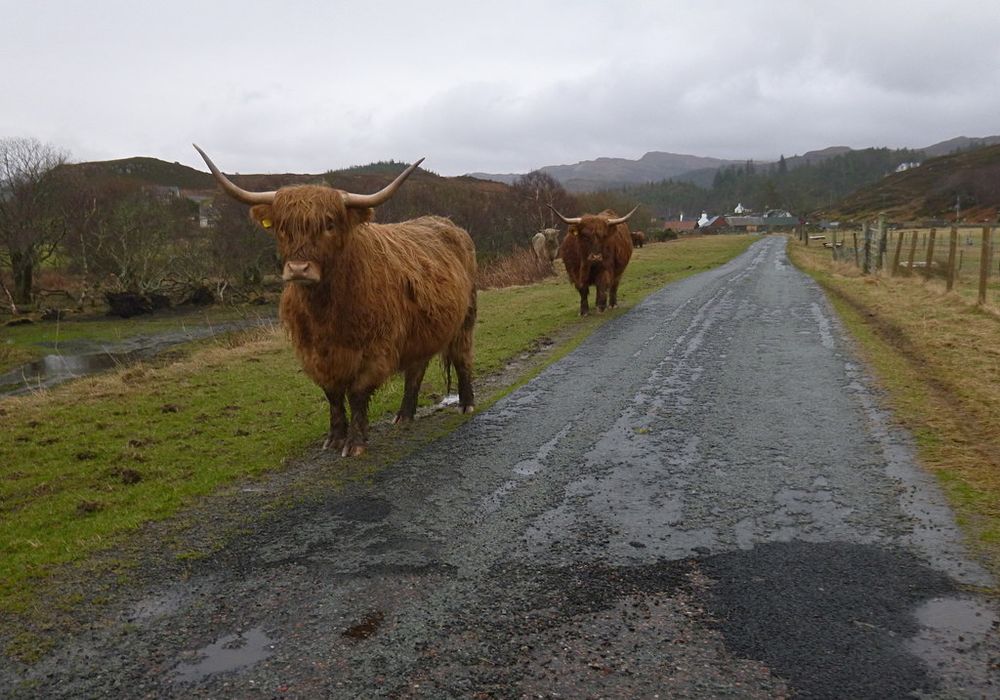
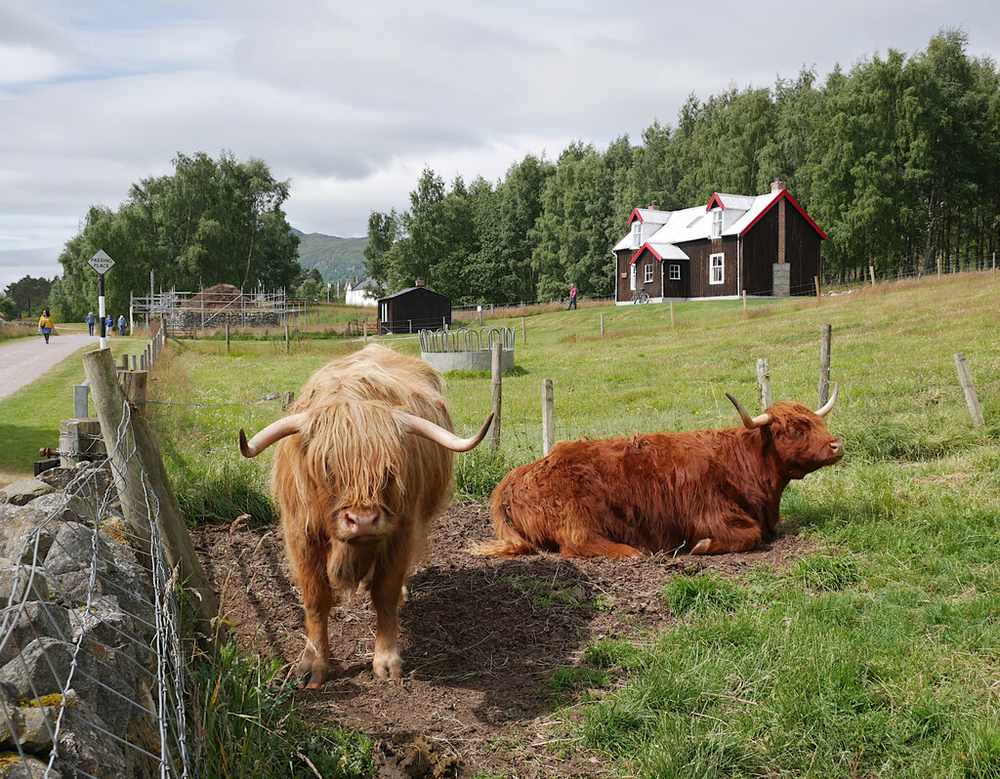
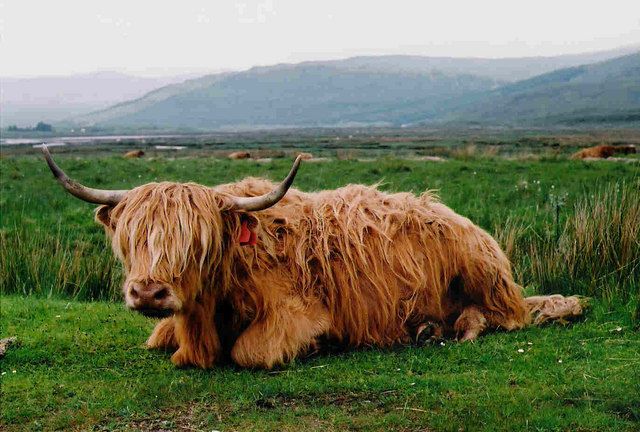
They wear a double coat: a long, oily outer layer (the longest hair of any cattle breed) over a soft, downy undercoat — perfect for Highland rain and wind.
 Visitor map
Tap a gold pin for a one-line tip. Scroll down for the same places as cards if the map doesn’t load.
Herds move with the seasons — treat every pin as a guide, not a guarantee. Our Broxburn depot (Unit 9) is Habitation Checks HQ, not a coo farm!
Same stops as the pins — works without JavaScript.
Fun facts
A few brilliant Highland coo facts — handy for the kids (and the adults who pretend they’re not listening).
They wear a double coat: a long, oily outer layer (the longest hair of any cattle breed) over a soft, downy undercoat — perfect for Highland rain and wind.
Classic red is common, but Highlands also come in black (an early favourite), yellow, dun, brindle, cream and white — same majestic fringe, different paint job.
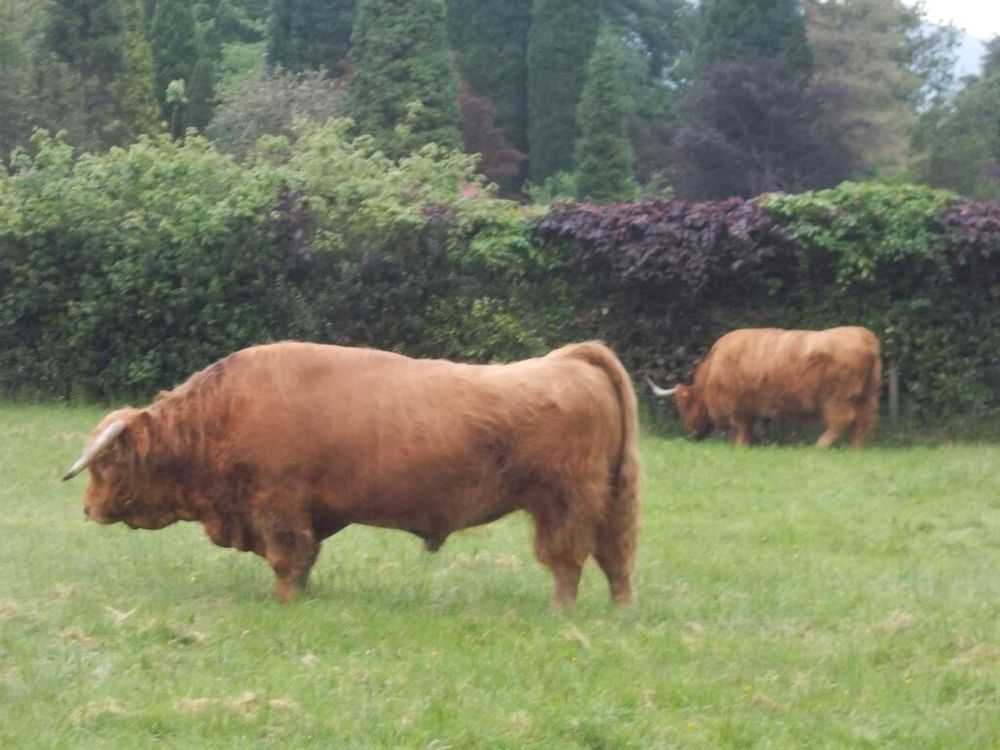
Both bulls and cows grow horns. Cows usually sweep finer and upward; bulls’ are heavier and tend to point more forward — great for browsing brush and the odd itch.
The long forelock (the dossan) can fall right over the eyes. It’s part of the breed look — and helps keep midges and weather off that soft face.
In Gaelic they’re Bò Ghàidhealach; in Scots, Hieland kye (or kyloe). The pedigree herd book has been kept since 1885 — one of the oldest cattle registers anywhere.
They’re famous mothers and can breed well into later life — some Highland cows are still calving past 18 years old after a long run of summers on the hill.
Scroll sideways for a few Highland favourites — they play in turn; hover one to watch it.
A ginger Highland coo finds the perfect spot for a horn scratch.
Two coos at the rail — one cheeky tongue out for the camera.
Snow on the fringe — resting a chin on a frosty fence rail.
A creamy Highland coat in close-up by the metal gate.
The cheekiest faces on the tour — starting with this legend.

Got calf clips? Drop them to our socials — @HabitationCheckScotland on Facebook & Instagram.